
Clear Guidance With Practical Steps That Help Protect Window Tint Over Time
Window tint helps block heat, reduce glare, and add privacy to your ride. It can also fade or peel if handled the wrong way. This often happens after glass work. Many drivers do not know how tint reacts to new glass or curing time. Small mistakes can shorten tint life fast. The good news is that a few smart choices can protect your investment. Simple care steps and clear planning make a real difference. This guide shares clear tips you can use right away.
Key Benefits of Protecting Tint During Glass Work
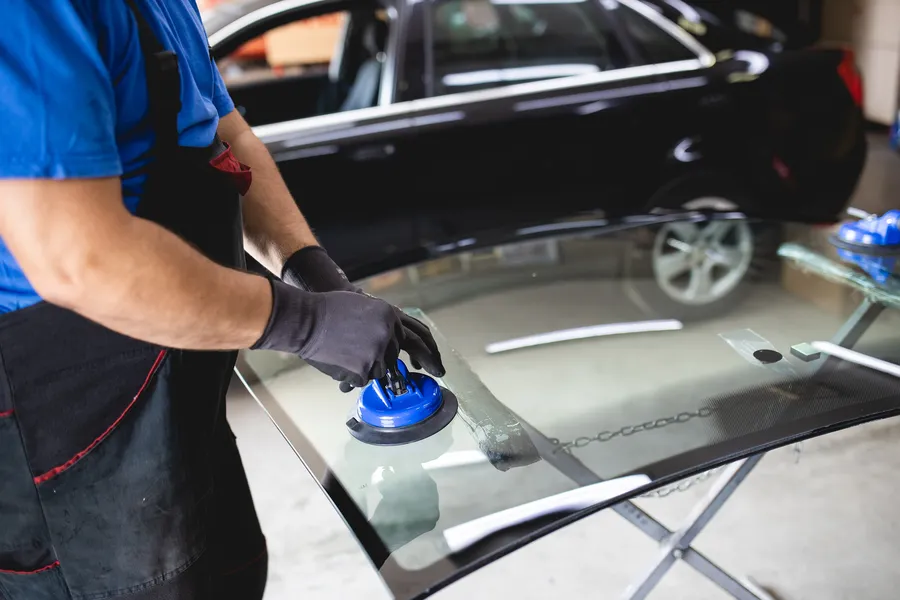
Protecting tint during auto glass replacement helps you avoid damage and extra cost. Tint film bonds to glass using heat and pressure. New glass changes that bond area. Careful planning keeps the film smooth and strong. You gain longer tint life and a better look. You also reduce bubbling and edge peel risks. Many insurers note fewer repeat claims when tint stays intact. These benefits matter for daily comfort and long-term value.
Common Problems That Shorten Tint Life
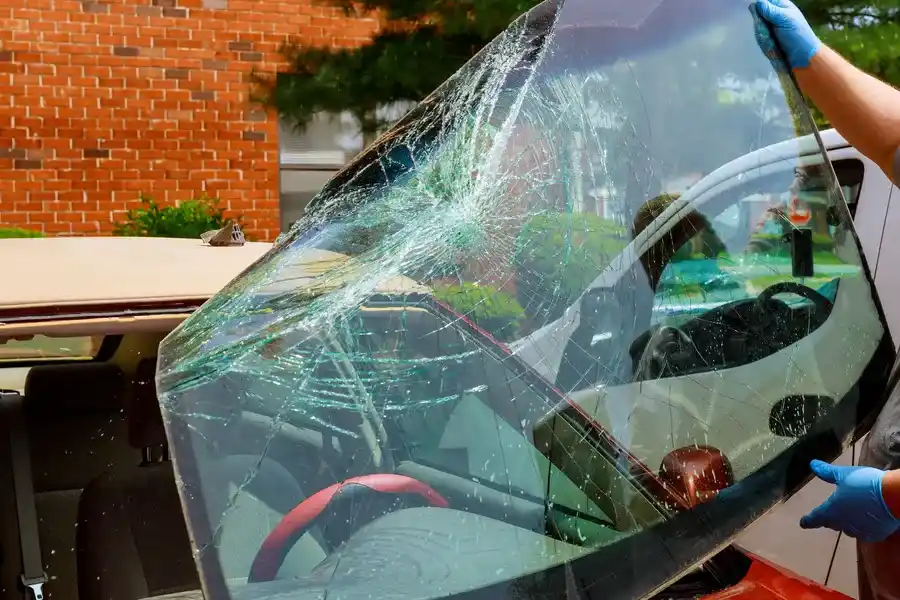
Several issues can harm tint during auto glass replacement if steps get skipped. Rushing the job is a major cause. Fresh glass needs time before stress gets added. Dirty tools can scratch film edges. High heat too soon can warp the adhesive. Moisture trapped under film causes haze. These problems often show up weeks later. Knowing these risks helps you avoid costly fixes.
Simple Steps That Protect Tint After New Glass Is Installed
Following clear steps right after service can save your tint. These actions lower stress on the film while it settles.
- Keep windows up for at least 48 hours
- Avoid car washes for three full days
- Park in shade during the first week
- Use gentle cleaners without ammonia
- Do not scrape or press film edges
Best Practices That Experts Follow Every Day
Professionals rely on habits that protect tint no matter the vehicle. These best practices focus on care and timing.
- Inspect tint edges before and after service
- Control shop temperature during curing
- Use clean microfiber tools only
- Explain cure times clearly to drivers
- Schedule follow-up checks when needed
Understanding Rules, Standards, and Legal Limits
Each state sets limits on visible light transmission, often called VLT. VLT measures how much light passes through glass. Lower numbers mean darker tint. Front windshield rules differ from side windows. Some states allow a sun strip only. Others require medical exemptions for darker film. Industry standards also guide adhesive strength and haze limits. Following these rules keeps you compliant and avoids removal orders.
Cost Factors and Long-Term Value
Costs vary based on glass type, film quality, and labor time. Cheaper film often fades faster and peels early. Mid-range ceramic film lasts longer and blocks more heat. Paying for careful handling protects that cost. Compare pros and cons before deciding.
- Lower cost film: saves money now but fades sooner
- Mid-range film: balanced price and durability
- Premium ceramic: higher cost with longest life
Clear Next Steps With Trusted Support
Located in Dade City, FL, we help drivers protect tint and glass with careful planning. Our process focuses on timing, clean handling, and clear guidance. Done Rite Auto Glass supports informed choices that extend tint life and reduce future repairs. Call (813) 825-5022 to discuss safe options and scheduling details that fit your needs.