
How Window Surface Conditions Shape Tint Results Over Time
Window tint does more than change how glass looks. It controls heat, glare, and privacy. Many people focus on the film brand or shade. Fewer think about how the window itself was set in place. That step can change how tint sticks, ages, and performs. Small gaps, uneven edges, or trapped debris can cause big problems later. Understanding these risks helps you protect your tint and your investment. This guide explains what matters most and how to avoid common mistakes.
Why Proper Window Fit Plays a Role
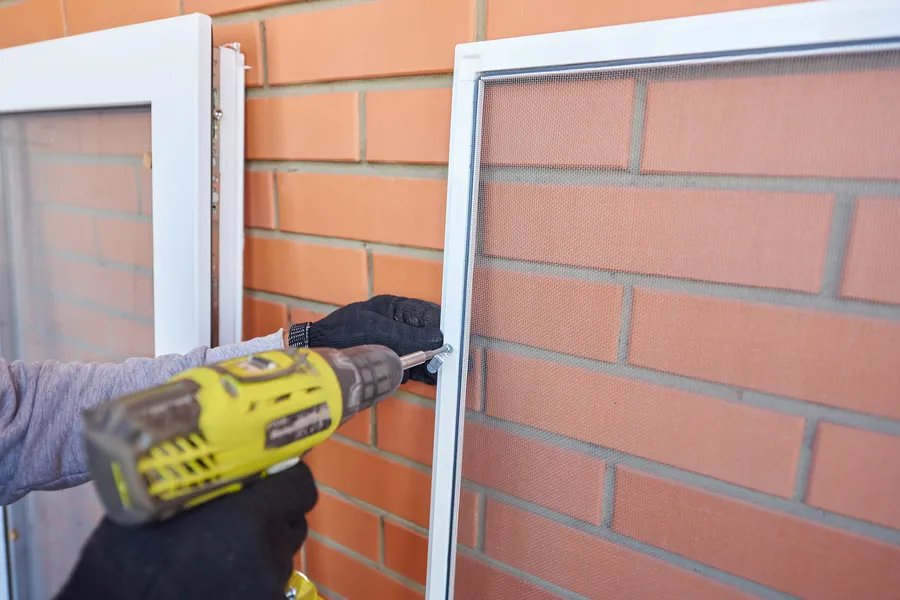
The way a window is set into a frame affects film contact. When glass installation leaves uneven pressure, the film may not bond well. Air pockets can form near edges. Moisture may also get trapped. These issues reduce heat control and clarity over time. Poor fit can also stress the film during temperature changes. You may notice peeling, bubbling, or haze sooner than expected.
Benefits You Can Expect From Correct Setup
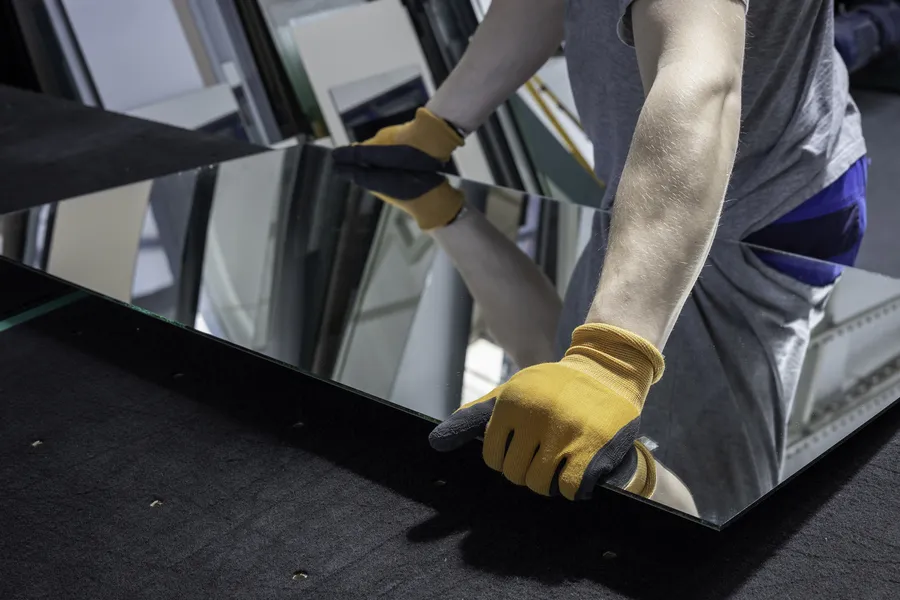
When glass installation is done with care, tint performs as designed. You gain steady heat reduction and clean sight lines. The film cures evenly and lasts longer. Many owners also report fewer edge failures. Proper setup supports these key benefits.
- Even film adhesion across the surface
- Lower risk of bubbles or clouding
- Better heat and UV control
- Longer film lifespan
Common Problems That Reduce Tint Results
Several issues appear when windows are not set correctly. Frames that twist can pull on glass edges. Old sealant may flake onto the surface. Small gaps can invite moisture. Each problem weakens film bonding. Over time, these flaws often show as purple tint, peeling corners, or streaks that do not clean away.
How to Check Readiness Before Film Goes On
A simple review before tinting can prevent many failures. This step-by-step process helps confirm the window is ready.
- Inspect edges for chips or rough spots
- Check that seals are tight and dry
- Clean the surface with lint-free tools
- Confirm the glass sits level in the frame
Best Practices That Protect Film Performance
Professionals follow clear habits to protect film quality. These steps reduce risk and protect your budget.
- Allow new windows to cure before tinting
- Use clean tools and fresh sealant
- Avoid tinting during high humidity
- Trim film away from stressed edges
Industry Rules and Quality Standards
Many regions set rules for visible light limits and safety. Automotive and building codes often refer to ANSI and ASTM standards. These standards guide glass thickness and clarity. When windows meet these rules, tint adheres more evenly. Compliance also protects warranties. Always check local laws before selecting shade levels.
Cost Factors and Long-Term Value
Quality tint costs less over time when windows are set right. Fixing poor prep later often means film removal and replacement. Labor costs can double. Proper setup reduces waste and repeat visits. You also save on energy costs through stable heat control. The result is stronger value and fewer service calls.
Deciding When to Call Professionals
Some projects need expert evaluation. Older frames, large panels, or past water damage add risk. A trained eye can spot problems early. Pros use meters to test moisture and alignment. This step protects film performance and avoids repeat work.
Results That Depend on Smart Window Choices
Located in Dade City, FL, we help property owners protect their tint investment with careful preparation. Done Rite Auto Glass focuses on lasting film results through correct window evaluation and installation checks. Call (813) 825-5022 to schedule a review and discuss options that support long-term tint performance.