
Clear Rules That Help You Choose the Right Window Shade
Legal tint levels can feel confusing when you need new vehicle windows. Each state sets its own rules. These rules control how dark window tint can be on each piece of glass. If the tint is too dark, fines or failed inspections may follow. Understanding these limits helps you protect your vehicle and stay within the law. It also helps you avoid costly rework later. This guide explains how tint levels work, why they matter, and how you can make smart choices that last.
Key Benefits of Following Tint Laws With Proper Choices
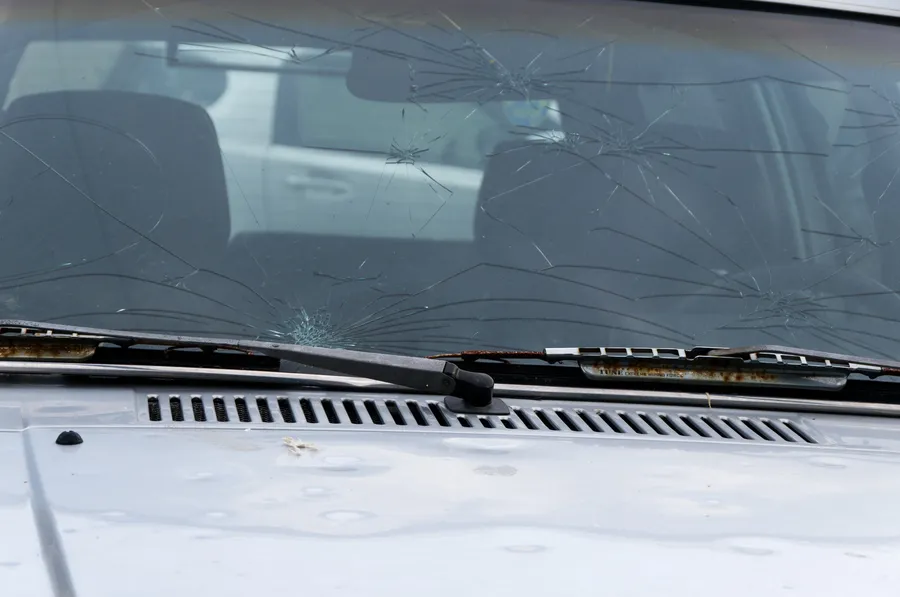
Following tint laws protects you from avoidable issues during Auto Glass Replacement. Legal tint helps keep clear sight lines for safe driving. Police stops for illegal tint are common in many states. Staying within limits avoids tickets and inspection failures. Legal tint also supports better night driving and safer lane changes. These benefits matter every day, not just during inspections.
Common Tint Challenges Drivers Often Face
Many drivers run into problems during Auto Glass Replacement because tint rules vary by state. Front windows often allow lighter tint than rear glass. Windshield tint usually has the strictest rules. Shops sometimes apply tint that looks good but fails legal checks. These mistakes can lead to removal costs, wasted time, and legal stress.
How State Tint Laws Are Structured
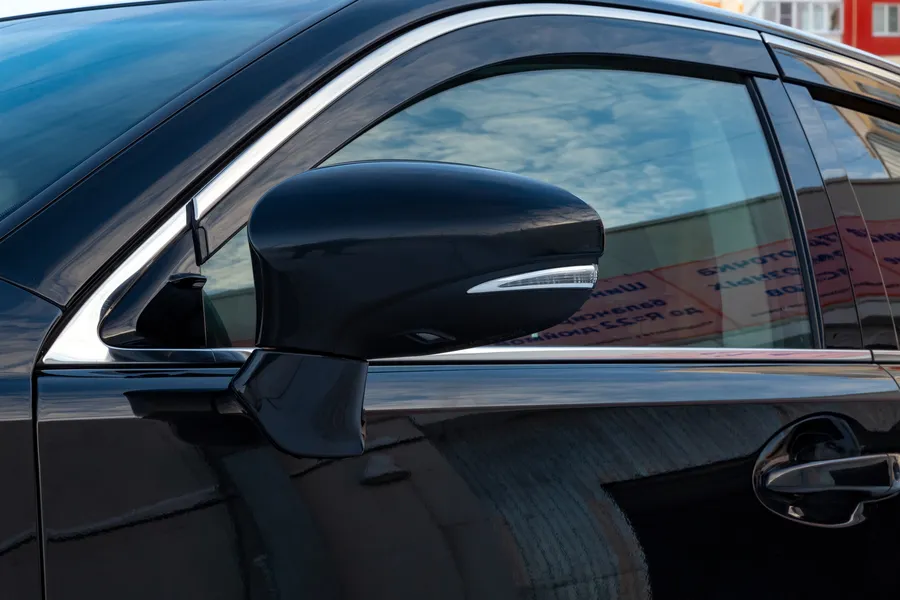
Tint laws use a measurement called VLT, or visible light transmission. VLT shows how much light passes through the glass. A lower number means darker tint. For example, 35 percent VLT allows less light than 50 percent. Most states set different limits for windshields, front side windows, and rear windows. Some states also restrict reflective or mirrored finishes.
Basic Tint Limits You Often See
- Windshields usually allow a tinted strip near the top
- Front side windows often require 35 percent light or more
- Rear side windows may allow darker tint
- Rear windows usually have the most flexibility
Pros and Cons of Darker Window Tint
- Pros: Better heat control and added privacy
- Pros: Reduced glare during bright daylight driving
- Cons: Higher risk of tickets or inspection failure
- Cons: Reduced visibility at night or in rain
Steps to Check If Your Tint Setup Is Legal
- Check your state motor vehicle website for tint rules
- Confirm limits for each window position
- Ask for printed VLT readings after installation
- Keep tint documentation in your vehicle
Best Practices When Selecting Legal Tint
- Choose materials tested for accurate VLT ratings
- Avoid reflective or mirrored finishes
- Match tint shade across all windows when allowed
- Recheck laws before moving to another state
Cost Factors Linked to Legal Tint Choices
Tint cost depends on material type, VLT rating, and window count. Ceramic tint costs more but offers better heat blocking. Cheaper film may fade or bubble over time. Legal tint reduces the chance of paying twice for removal and reinstall. Spending a bit more upfront often saves money long term.
Final Guidance and Service Support Options
Located in Dade City, FL, we help drivers make confident tint choices that meet state rules. Done Rite Auto Glass works with proven standards and clear guidance to avoid common mistakes. Our experience helps protect safety, visibility, and long-term value. Call (813) 825-5022 to discuss legal tint options and long-lasting results with a team that supports informed decisions.