
How Driver Safety Systems Can Be Affected by Tinted Vehicle Glass
Modern vehicles rely on cameras and sensors to support safe driving. Many of these parts sit behind the windshield. Glass tinting can change how light passes through the glass. This change can impact how safety features read the road. Drivers often overlook this risk after tint work. Knowing when recalibration is needed helps protect these systems. It also helps prevent warning lights, false alerts, or disabled features. Understanding the timing and reasons behind recalibration supports long-term safety and system accuracy.
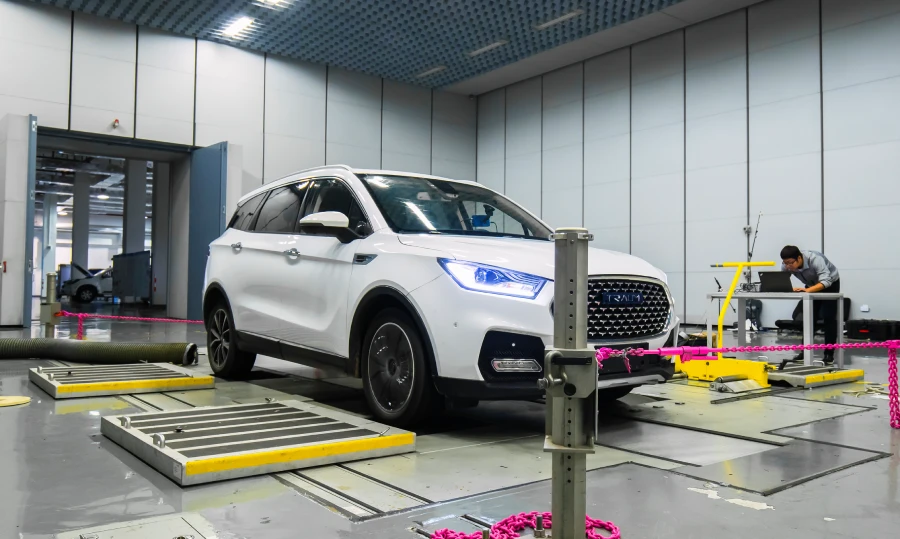
How Safety Cameras and Sensors Interact With Tinted Glass
Many safety systems use forward-facing cameras. These cameras detect lanes, signs, and nearby vehicles. Tint film can change light levels and clarity. Even a slight change can affect camera accuracy. This is where ADAS calibration becomes important for system accuracy. The process resets camera alignment after visual changes. Windshield tinting counts as a visual change. Ignoring this step can lead to slow system response or errors.
Key Benefits of Recalibration After Tint Installation
Recalibrating safety systems protects core functions after tint work. ADAS calibration helps restore proper camera focus and alignment. Drivers gain confidence in system alerts and braking support. It also reduces the risk of dash warnings. Insurance standards often expect proper system function after glass changes. These benefits protect drivers, passengers, and other road users every day.
Advantages and Drawbacks to Consider With Recalibration Timing
Drivers often ask if recalibration is always needed. The answer depends on vehicle design and tint type. Understanding pros and cons helps with smart decisions.
- Pros include better system accuracy and fewer error alerts
- Improved compliance with manufacturer safety standards
- Cons include extra service time and added service cost
- Some vehicles may need advanced tools not found everywhere
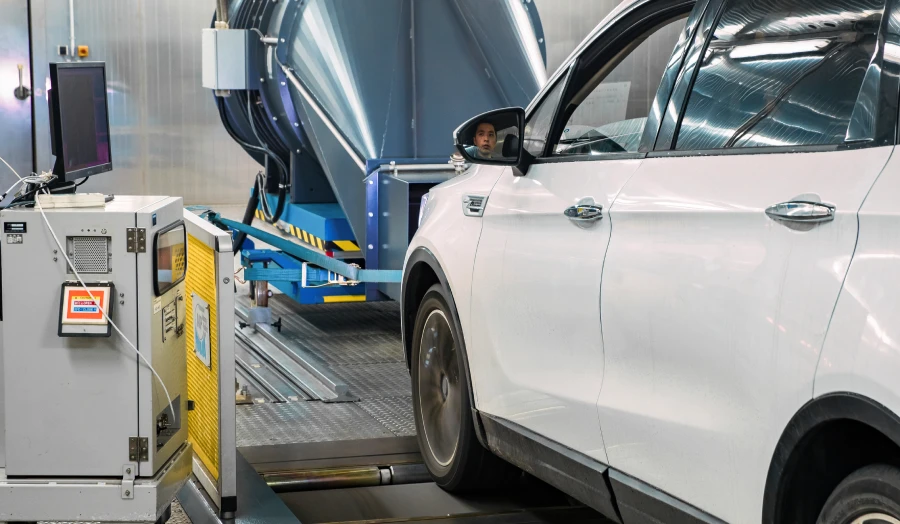
Common Problems Seen When Recalibration Is Skipped
Skipping recalibration can cause several issues. Lane warnings may trigger too late. Automatic braking may respond slowly. Some systems may shut off fully. Drivers might see warning lights after tinting. These problems often appear days later. Many assume the tint caused damage. In most cases, the system only needs proper resetting. Quick action can prevent long-term problems and restore full function.
Step-by-Step Process Used by Professionals
Professional shops follow a clear process to reset safety systems. Each step ensures accurate readings after the glass change.
- Inspect the windshield and tint for proper installation
- Scan the vehicle for existing error codes
- Place targets or tools based on vehicle requirements
- Run system alignment using approved software
- Test drive the vehicle to confirm correct operation
Best Practices to Follow Before and After Tinting
Planning ahead reduces delays and extra costs. These tips help protect safety features.
- Ask the tint shop about camera location before work starts
- Use tint that meets vehicle and state guidelines
- Schedule recalibration soon after tint completion
- Keep service records for warranty or insurance needs
Industry Rules and Manufacturer Requirements With Glass Changes
Vehicle makers set strict rules for safety systems. Many require recalibration after windshield changes. Tinting can fall under this rule. Industry guidelines stress system accuracy after any glass work. Some states also inspect safety features during checks. Following these guidelines protects warranty coverage. It also supports safe vehicle operation under real driving conditions.
Cost Factors and Value Considerations With System Resets
Costs vary based on vehicle type and system design. Luxury vehicles may cost more due to complex sensors. Location and equipment also affect price. While it adds cost, recalibration protects safety features. It can prevent costly repairs later. The value comes from restored system trust and safer driving. Most drivers see this as a smart long-term choice.
Next Steps for Professional Support With Safety System Accuracy
Located in Dade City, FL, we help drivers protect critical safety features after glass tinting. Done Rite Auto Glass provides reliable system checks and precise recalibration services. Our technicians follow manufacturer guidelines for accurate results. Call (813) 825-5022 to schedule service and restore full system confidence for every drive.